How Sports Teams Build Fan Loyalty in the Digital Age
- Sidney Alisa Montgomery
- Nov 13, 2025
- 5 min read

For many fans, the way we connect with our favorite teams has completely changed. Instead of waiting for game day, we get daily updates, behind-the-scenes moments, and interactive posts that make us feel part of the team. I personally love seeing the creative ways sports organizations use humor, personality, and storytelling to make fans feel included. In many ways, social media has replaced the stadium as the main space for fandom, it’s where loyalty is built, tested, and shared every day.
What’s especially powerful is how fans connect with each other in these digital spaces. Comment sections have become virtual bleachers where people cheer, debate, and joke together. Fans turn original team content into ongoing memes, tag friends in clips, and help spread content across platforms. This back-and-forth between teams and their followers turns social media into a living community rather than a one-way channel. We’re living in the prime of the Digital Age, a time where nearly everything we love has found its way online, and sports have evolved into full-blown digital ecosystems. From social media to streaming platforms, fans can engage with their favorite teams and players 24/7.
But as viewing habits shift, some leagues are adapting better than others. The NBA has seen a dip in TV ratings, while the NFL continues to rise in viewership and engagement. What’s driving that difference? A huge factor is how effectively teams use social media to connect with their fans, not just as spectators, but as active members of a digital community.
In today’s world, the fan experience extends far beyond game day. Platforms like X and TikTok have become modern stadiums, spaces where teams showcase their personalities, creativity, and culture. The Los Angeles Chargers are a perfect example. They’ve become a standout brand in the NFL not just for their on-field talent, but for their content strategy. Their social team leads the league in engagement, producing viral posts that highlight players as people, not just athletes. In a Today Show interview, their team described their content as “showcasing players’ personalities with their helmets off.” This humanizes the team, creating emotional connections that stats and scores can’t. It’s why someone who doesn’t even follow football might still be a Chargers fan, not because of touchdowns, but because they enjoy the content and vibe.
Successful teams don’t just post updates, they participate in trends, memes, and storytelling moments that make fans feel “in on it.” Personally, I love seeing how different teams interpret viral trends. It’s like each franchise has its own creative personality. But what makes it work is authenticity. When players willingly participate, it makes the content feel genuine, not forced marketing. The Chargers, again, excel here because their players seem to enjoy being part of it. Fans can sense that energy. Storytelling also plays a huge role. Whether it’s behind-the-scenes locker room moments or creative edits after a big win, every post adds to a bigger narrative that builds loyalty over time.
One of the best examples of digital creativity in sports is the annual schedule release video. What used to be a simple announcement has become a viral marketing event. Every year, teams try to outdo each other with clever rollouts that speak to their brand and fan base. The Chargers’ Minecraft-themed video was a huge hit, combining nostalgia and gaming culture. Meanwhile, the Carolina Panthers went cinematic with a “secret reveal meeting” video starring some of their most popular players.
These videos don’t just announce games, they tell fans who the team is. They target different audiences: gamers, meme-lovers, pop-culture fans. A Minecraft fan who stumbles upon that video might suddenly become curious about the Chargers. That’s the magic of good marketing, turning a one-time viewer into a long-term fan.
Aside from the NFL, the NBA has several teams that lean heavily into social media culture to connect with their fans, and one team that does this exceptionally well is the Orlando Magic. Their digital momentum really took off in 2023 when they released a remake of the classic Orlando Magic theme song, which immediately sparked nostalgia and excitement among fans. From there, they launched their “Play My Song” or “Give Me My Theme Music” series on TikTok, where they posted win recaps using the theme song layered with viral memes, sometimes even including the opposing team’s players in a humorous way.

What made this series so effective is that fans didn’t just watch it, they participated in it. The Magic fan base embraced the trend, reposting the videos, creating their own versions, and turning the theme song into a running joke throughout the season. The engagement became so strong that the team transitioned the trend into the arena as a post-game activation, playing the song in the stadium and allowing fans to feel like they were part of the online joke in real time. This seamless bridge between digital content and in-person experience is exactly what builds lasting fan loyalty: it makes people feel included, entertained, and connected both on and off the screen.
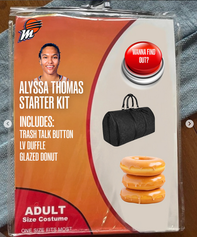
Another team worth highlighting is the Phoenix Mercury, who have done an impressive job building fan loyalty through Instagram. Their social team leans heavily into relatable humor and meme-style content, especially after wins. Instead of simply posting final scores, the Mercury create playful, personality-driven graphics and reels that feel like they were made by fans, for fans. One thing they do especially well is tailoring their memes to the opposing team or location. For example, when they played the Minnesota Lynx, the Mercury posted a meme referencing the Mall of America, a clever nod that instantly grabbed attention from both fanbases. These matchup-specific jokes spark comments, inside jokes, and shareable moments that fans love to pass around.
What makes the Mercury especially effective is that they keep this energy going even in the offseason. Rather than going quiet, they post things like “player starter packs” as Halloween costume inspo, a fun and unexpected way to keep players relevant and maintain engagement when no games are being played. These kinds of posts remind fans that loyalty doesn’t disappear once the season ends. By giving followers content that’s funny, creative, and timely, the Mercury builds a year-round digital presence that keeps fans consistently connected to the team and its personalities.




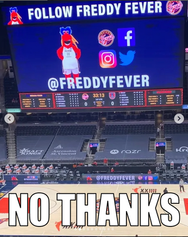


In a time when traditional viewership is changing, digital engagement is the new metric of loyalty. Teams that understand this shift, and lean into creative storytelling, are building the future of sports fandom. It’s no longer just about watching a game; it’s about belonging to a community. When fans interact with a post, laugh at a meme, or comment on a behind-the-scenes clip, they’re investing emotionally in the team. That kind of loyalty doesn’t depend on wins or losses, it’s built through connection. As a marketing professional this is a fascinating shift to watch. Sports teams are essentially becoming media brands, and the best ones treat every post like a mini marketing campaign.
The digital age has completely redefined what it means to be a fan. The most successful sports organizations are the ones that see social media not as a side project, but as a central part of their brand identity. Whether it’s through humor, creativity, or authenticity, these teams remind us that loyalty starts with connection. And in today’s world, connection is built one post, one story, and one viral trend at a time.


Comments