5 Ways Athletes Are Owning Their Narrative and Becoming Brands
- Sidney Alisa Montgomery
- Nov 13, 2025
- 5 min read

Athletes today aren’t just performers on the field or court, they’re creators, entrepreneurs, influencers, and cultural icons. Fans connect with them not only for their talent but for their personality, interests, and values. In the age of social media and personal branding, athletes are taking control of their narrative and turning themselves into brands. Here’s how they’re doing it, and what marketers can learn.
Fashion & Lifestyle: Expressing Personality Through Style
Deandre Hopkins | Wide Receiver in the NFL
DeAndre Hopkins has turned fashion into a powerful extension of his personal brand, blending creativity, accessibility, and high-fashion credibility. He recently completed a Goodwill shopping challenge, where he built his tunnel walk pre-game outfit for $35, proving that style doesn’t have to be expensive to make a statement. This playful, relatable approach resonated with fans and highlighted his authenticity.




Hopkins also balances everyday style with high-fashion moments. He walked the runway for Vetements during Paris Fashion Week 2024, wearing an oversized sweater featuring the “South Park” character Towelie. He has modeled for Fear of God, including their show at the Hollywood Bowl in 2023, and attended the 2025 Met Gala in a bespoke Fear of God outfit. Represented by IMG Models, Hopkins has leveraged his passion for fashion to participate in shows and other high-profile events, positioning himself as a cultural influencer beyond football.
By blending playful, accessible style with elite fashion credibility, Hopkins connects with a wide range of fans, from casual viewers to style enthusiasts, and shows that an athlete’s influence extends far beyond the field.
Philanthropy & Social Impact: Building Credibility and Connection
Bobby Wagner | Linebacker in the NFL
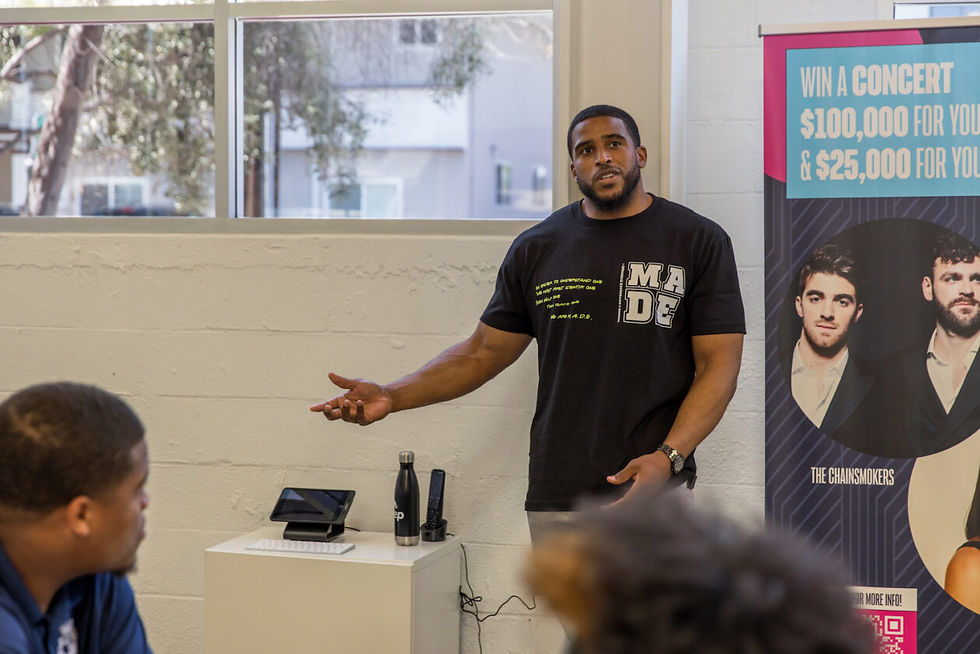
Bobby Wagner has cultivated a personal brand centered on giving back and empowering others. Through initiatives like #TackleEverything, where he takes underprivileged students on tours of Silicon Valley tech companies to expose them to entrepreneurship, finance, and innovation. He also promotes financial literacy through workshops and has invested in startups and a venture capital fund, demonstrating a commitment to helping young people succeed in business and tech.
Wagner’s philanthropic work is also deeply personal. As the Commanders’ #WPMOY nominee, he honors his late mother through the Phenia Mae Fund, which supports education and care for stroke victims and their families. His advocacy blends professional achievement with personal values, showing that athletes can make a meaningful impact both on and off the field.
By combining mentorship, investment, and personal storytelling, Wagner connects with fans on multiple levels, from inspiring young people to engaging communities, and reinforces that an athlete’s influence extends far beyond sports. His brand isn’t just built on athletic achievements; it’s built on purpose, leadership, and lasting impact.
Entertainment & Creative Ventures: Showing Multiple Dimensions
Victor Oladipo | NBA Player
Victor Oladipo isn’t just known for his skills on the basketball court, he’s also making waves in music, showing that athletes can have multifaceted personal brands. On a late summer afternoon in Times Square, Oladipo arrived at Quad Studios in PSNY x Air Jordan 12 Bordeaux sneakers and a matching Jordan x PSNY sweatsuit, ready to record tracks for his seven song EP, Songs For You. The studio, rich with music history, has hosted artists like Beyoncé and been the site of iconic events in hip-hop history.
Music has been part of Oladipo’s life since childhood, starting in the children’s choir at St. Joseph’s Church in Upper Marlboro, MD. Over the years, he honed his singing as a personal hobby, serenading friends and testing his skills at small gatherings. Even in college and throughout his NBA career, Oladipo made it clear that music was an essential part of his identity. His debut single, a Donny Hathaway cover, dropped in late August to surprising acclaim, proving his talent resonated beyond the court.
Oladipo also showcased his musical side on national television, appearing as the Thingamajig on The Masked Singer (Season 2), finishing fifth and revealing his identity in episode 11. Through music, Oladipo shares a personal and authentic part of himself with fans, bridging the gap between athlete and artist.
By pursuing music alongside basketball, Oladipo demonstrates that an athlete’s personal brand doesn’t have to be limited to sports. Fans connect with him on a human level, seeing his dedication, creativity, and vulnerability makes him relatable, aspirational, and memorable beyond the game.

Social Media Presence & Personal Storytelling: Controlling the Narrative
Serena Williams | Retired Pro Tennis Player
Serena Williams is redefining what it means for an athlete to craft a personal brand post-retirement. Rather than simply relying on her fame as a tennis champion, Serena has launched Wyn Beauty, a personal care and beauty brand created through a joint venture with the Good Glamm Group. As founder and CEO, she’s not just endorsing a product, she’s shaping every aspect of the brand, from vision and values to product offerings.
The brand represents more than cosmetics; it’s a reflection of Serena’s personal journey, aesthetic, and dedication to empowerment. By choosing a strategic partner like Good Glamm Group, she leveraged industry expertise while keeping creative and operational control. Even amidst restructuring at Good Glamm, Wyn Beauty continues to operate, proving that Serena’s brand is built to endure.
Wyn Beauty illustrates how an athlete’s personal identity can evolve into entrepreneurship. Serena is using her platform to define what matters to her off the court: empowerment, beauty, and ownership. For fans, this is a continuation of her narrative, a story of resilience, innovation, and leadership that doesn’t end with tennis. Her venture shows how athletes can turn the lessons, discipline, and influence cultivated in sports into sustainable, meaningful business impact.

Media & Content Ventures: Shaping Stories and Influence
Naomi Osaka | Pro Tennis Player
Naomi Osaka is building a legacy beyond tennis through her media company, Hana Kuma, which she co-founded with Stuart Duguid and partners with LeBron James’ SpringHill Company. Hana Kuma creates documentaries, scripted and unscripted series, and focuses on telling empowering stories from diverse perspectives. One of its first projects is a documentary about Patsy Mink, the first woman of color elected to the U.S. House of Representatives.
Hana Kuma represents Osaka’s personal vision and values. She wants to amplify underrepresented voices and produce content that inspires and empowers audiences. The company operates with independence and creative control, allowing Osaka to shape the stories it tells, from concept to production. By doing so, she is building a platform that reflects her identity and the issues she cares about.
Through Hana Kuma, Osaka demonstrates how athletes can extend their influence beyond sports into culture and storytelling. She’s not just participating in media, she’s creating it, proving that personal branding can be about shaping narratives, empowering communities, and leaving a lasting impact off the court. Fans see her as a creator and a leader, showing that the reach of an athlete’s influence is only limited by the scope of their vision.

Athletes as Brands: Beyond the Game
Today’s athletes aren’t just performers, they’re creators, entrepreneurs, activists, and cultural icons. From DeAndre Hopkins blending high fashion with accessibility, to Bobby Wagner mentoring the next generation through tech and finance, to Victor Oladipo sharing his music with fans, to Serena Williams building a beauty empire, to Naomi Osaka shaping media and storytelling, each of these athletes is defining their personal brand on their own terms.
What unites them all is authenticity, vision, and influence beyond the game. Fans connect with athletes not just for their talent, but for their personality, values, and the impact they create off the field or court. These examples show that personal branding isn’t about endorsements or social media presence alone, it’s about shaping narratives, pursuing passions, and leaving a legacy.
For aspiring marketers, content creators, or fans, the lesson is clear: the most powerful brands are built around authenticity, storytelling, and purpose. Athletes are leading the way, proving that influence extends far beyond sports, and that a personal brand, when cultivated thoughtfully, can resonate across cultures, communities, and industries for years to come.


Comments